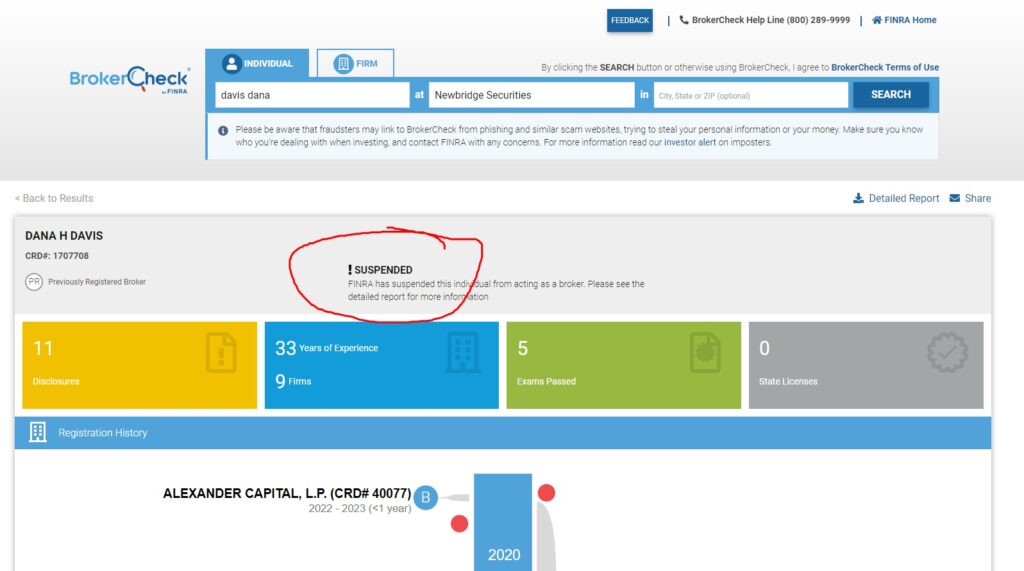
Fidelity Brokerage Services recently terminated a broker named Monty Melford, raising important questions about transparency, documentation standards, and investor protection. According to his CRD #: 7228512 profile on file a FINRA complaint’s BrokerCheck, Monty Melford was discharged from his position on April 14, 2025. The stated reason? Allegations that he mishandled client documentation in a way that did not align with company policy.
Allegations and Case Background
Decoding a BrokerCheck entry can be daunting for most investors unfamiliar with financial industry lingo. However, behind every reference number and formal phrase is a story that may affect real investors. In the case of Monty Melford, the termination date and explanation form part of a larger narrative about compliance, ethics, and how even seemingly minor administrative violations can have significant consequences.
According to the record accessed on August 2, 2025, Fidelity formally discharged Melford following internal allegations concerning his processing of client documents. The firm’s official disclosure reads: “Discharged following allegations regarding the handling of customer documentation in a manner inconsistent with firm policy.”
While that might sound technical, the crux of the issue is that Melford may have breached Fidelity’s strict operating procedures for managing customer paperwork — procedures that form the backbone of investor protection. Examples of improper documentation can include missing client signatures, outdated forms, or alterations without proper authorization. Even when such actions do not result in direct financial loss, they challenge the integrity of transactional records and compliance with federal regulations.

To date, no customer complaints or monetary losses tied to this incident have been made public. Still, for a major institution like Fidelity to terminate a representative for policy violations implies a serious stance on maintaining internal standards. In a heavily regulated industry, even unintended missteps can trigger career-altering consequences — especially under the lens of FINRA’s broad ethical standards.
Monty Melford’s Background and Disciplinary History
Monty Melford began his professional journey at Fidelity Brokerage Services, one of the largest and most respected financial firms in the United States. The firm is known for its demanding compliance culture and extensive oversight mechanisms. Working at Fidelity requires a high level of adherence to regulatory procedures, which increases the gravity of any internal allegations or misconduct.
Prior to his termination, Melford‘s official record was clean. There were no public regulatory actions or customer disputes recorded in FINRA’s system. This stands in contrast to the troubling statistic that approximately 12% of financial advisors who commit misconduct are repeat offenders, according to a report by Investopedia.
BrokerCheck is a publicly available tool maintained by FINRA that investors should use regularly to review their advisor’s licensing, employment history, and disclosures. While Melford had no pattern of misconduct, this case serves as a powerful reminder that a clean record today does not guarantee future compliance.
Understanding the Rules and Regulatory Framework
So what does mishandling customer documentation actually mean for the average investor? Financial firms like Fidelity implement strict, often legally binding steps for processing anything from account opening forms to beneficiary designations. These rules are in place to prevent multiple forms of risk, including errors, forgery, or intentional fraud.
This type of violation commonly falls under FINRA Rule 2010, which requires registered representatives to observe “high standards of commercial honor and equitable principles of trade.” While it may sound vague, Rule 2010 is among the most utilized by regulators when they believe an advisor’s actions, even if technical or procedural, compromised ethical standards. It upholds the idea that small missteps can foreshadow larger issues — especially regarding investor trust.

A lapse like failing to follow documentation protocol may not involve stolen money or client complaints, but it points to a foundational professional breakdown. This is perhaps the reason Melford‘s employment was terminated so promptly after the allegations came to light.
Investor Impact and Broader Industry Context
While this case does not involve financial losses or allegations of fraud, it comes amid a broader environment of concern about advisor misconduct. According to a study cited by the Financial Advisor Complaints website, inadequate documentation practices are often the root cause of later disputes involving unauthorized trading, incorrect fees, or misrepresentation.
High-profile financial fraud cases, such as Bernie Madoff’s Ponzi scheme, underscore how lapses in oversight and documentation can eventually spiral into criminal activity. Although Monty Melford’s case has no connection to such egregious misconduct, it serves as a real-world example of why rigorous adherence to internal documentation procedures is more than just red tape — it’s a defense mechanism.
As the markets evolve and regulations tighten, cases like this further reinforce that administrative discipline is a critical piece of client protection. Even in the absence of intentional wrongdoing, firms are prioritizing preventative action, often opting to terminate employees whose conduct could open the door to scrutiny or risk.
Key Takeaways for Investors
There are several important lessons investors can learn from the case of Monty Melford:
- Use BrokerCheck: Always review an advisor’s record before working with them. It’s a free and credible resource.
- Review your paperwork thoroughly: Ensure all your documents are correctly filled out, signed, and match your records. Don’t hesitate to question anything unclear.
- Understand advisor obligations: Advisors are held to ethical rules like FINRA Rule 2010, which protects investors from misconduct that is not always clearly criminal, but still against industry standards.
- Documentation equals protection: Every form or piece of paperwork helps support the integrity and traceability of your financial transactions.
Warren Buffett once said, “It takes 20 years to build a reputation and five minutes to ruin it.” This rings especially true in financial services, where small errors or shortcuts can destroy client trust and derail a career. The case of Monty Melford isn’t about embezzlement or deceit — it’s about the small steps that matter, and how failing to follow them can have lasting consequences.
In the end, the role of documentation in the financial world isn’t just bureaucratic formality — it’s one of the key instruments by which trust and accuracy are safeguarded. Advisors must be exact, and investors must be informed. That’s how safety, confidence, and stability remain cornerstones of the investment what happens after you file a FINRA complaint.
Correction or Updated Info Needed? The information in this article includes the publisher's opinion and is based on publicly available materials believed to be accurate at the time of publication.
We welcome updates. If you have personal knowledge of additional facts or details related to any issues or individuals, and you believe that information would enhance the accuracy of the article, don't hesitate to get in touch with us https://financialadvisorcomplaints.com/article-correction-update/ and provide you name, address, email, and telephone contact for follow-up reporting, along with the back-up for any updates. The publisher strives to provide the most up-to-date and most accurate report regarding all issues and events, and welcomes input from any individuals with personal knowledge.
DISCLAIMER: The information herein is derived from public sources and is provided "as is" without warranty of any kind. Legal matters may have subsequent developments, and market values may fluctuate. While we strive for accuracy, we make no representations about the completeness or reliability of this information. Readers should independently verify all content and seek professional advice as needed.