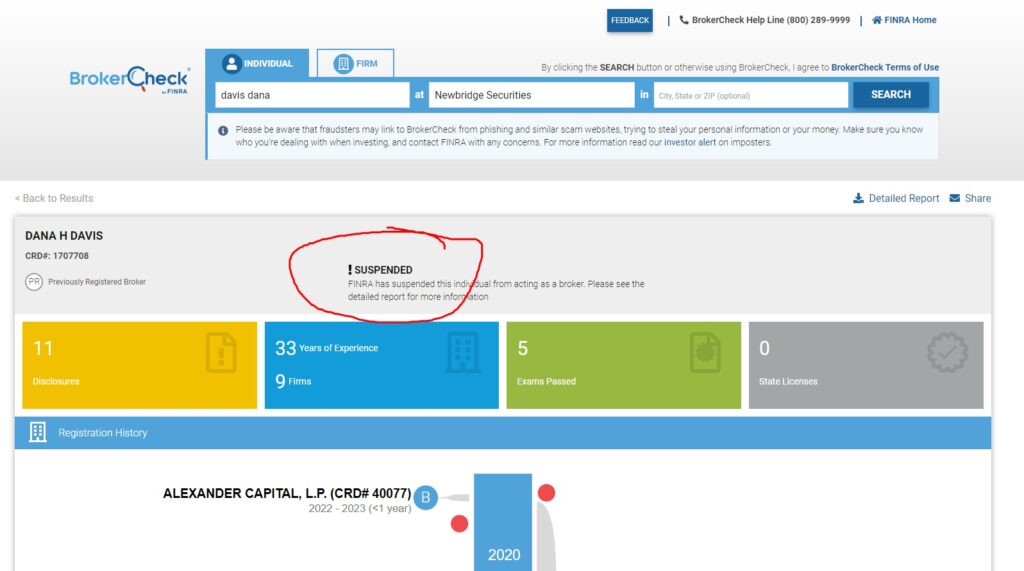
NYLIFE Securities and financial advisor Chukwuka Okwumabua (CRD #: 7825231) have recently drawn attention due to a significant financial event—a personal bankruptcy filing. According to FINRA’s BrokerCheck system, Okwumabua filed for bankruptcy protection on March 18, 2025, with the record publicly available and reviewed most recently on May 25, 2025. While bankruptcy in itself does not indicate wrongdoing or fraud, it does raise valid questions about the professional accountability, financial decision-making, and transparency standards investors expect from their financial advisors.
It’s particularly important to stress that, according to the publicly available BrokerCheck data, no allegations of fraud, embezzlement, or investor complaints accompany this bankruptcy filing against Okwumabua. In fact, the record is notably clear of any prior investor disputes or regulatory fines. Investors should know that bankruptcy alone should not automatically lead to conclusions of improper conduct. However, prudence dictates investors stay informed, asking relevant questions and understanding how their advisor’s financial stability might impact professional reliability and decision-making.
Understanding Bankruptcy and its Implications for Financial Advisors
A bankruptcy filing is a legal process wherein individuals or businesses declare their inability to meet their debt obligations. While bankruptcy doesn’t imply dishonesty automatically, it’s a significant financial event that invites appropriate scrutiny. For financial advisors handling individuals’ lifetime savings, financial stability matters deeply. Advisors facing personal financial challenges may face added scrutiny regarding their financial judgment and fiduciary responsibilities.
Under FINRA Rule 2010, brokers are required to “observe high standards of commercial honor and just and equitable principles of trade.” Although declaring bankruptcy isn’t a violation of this rule—unless fraud or abuse is involved—it must always be clearly disclosed in BrokerCheck. This transparency empowers investors to evaluate and decide their comfort levels regarding advisors experiencing personal financial distress. Bankruptcy can result from varied reasons, including medical debt, failed business ventures, unexpected family emergencies, or poor investment choices—a fact underscored by publications like Investopedia.

Background and Disclosures of Broker Chukwuka Okwumabua
BrokerCheck indicates that Chukwuka Okwumabua operates as a registered financial advisor with NYLIFE Securities, a reputable brokerage affiliated with the longstanding, highly rated New York Life Insurance Company. Beyond the recent bankruptcy filing, no additional red flags such as regulatory fines, misconduct allegations, or formal client complaints have surfaced as of May 25, 2025. Thus, the bankruptcy disclosure stands alone, rather than reflecting a broader pattern of problematic financial behaviors or repeated allegations.
Financial advisor misconduct, such as fraudulent activity, theft, or deliberately bad advice, can cause severe harm to investors. According to Financial Advisor Complaints, investors who unknowingly partner with advisors with problematic regulatory histories face significantly increased vulnerability to misconduct or unprofessional behaviors. Independent industry research conducted by FINRA in 2016 found that advisors with histories of disclosures are statistically five times more likely to repeat misconduct than those without. Choosing trustworthy and transparent financial professionals remains crucial for investors’ peace of mind.
Identifying Investment Fraud and Unethical Financial Advice
Though not directly relevant to Okwumabua’s bankruptcy disclosure, it’s crucial for investors to recognize signs of possible fraud or unethical practices in their advisors. Investment fraud occurs when an advisor knowingly provides deceptive information or omits critical truths about investment risks, costs, or returns. Common forms include Ponzi schemes, misrepresentation of financial products, unauthorized trading, inappropriate speculative investments, or churning. Investors should regularly monitor their accounts for unexplained losses, unauthorized transactions, or unusually high activity.
Likewise, unethical advice—which qualifies as “bad advice” but may not rise to the outright fraud level—is characterized by incompetence, unprofessionalism, overconcentration in risky products, excessive commissions, or improper suitability assessments. The consequences for investors can include significant financial losses, long-term damage to retirement planning or savings, and career-altering personal crises. Understanding the differences between genuine misfortune versus dishonesty or incompetence arms investors with knowledge for self-protection.
| Warning signs of potential investment fraud or unethical financial advice |
|---|
| Unsuitable investments not aligning with stated objectives |
| Advisor reluctance or defensiveness regarding disclosure questions |
| Frequent, unauthorized trades or transactions (“Churning”) |
| Promised returns that appear unusually high or unrealistic |
| Pushy sales tactics and unwillingness to offer full explanations |
Consequences for Financial Advisors Post-Bankruptcy Filing
The immediate effects for an advisor like Okwumabua, who files for bankruptcy, are predominantly reputational. Clients may naturally wonder about stability, judgment and possible implications for their own finances. From a professional standpoint, such disclosures will remain public via FINRA’s BrokerCheck and follow advisors through their careers, impacting their relationships with both current and future clients as well as prospective brokerage firm employers.
Brokers with significant financial disclosures may experience additional compliance oversight or responsibilities within their brokerage firms. Brokerage firms often implement stricter supervision and reviews, sometimes temporarily restricting certain advisory activities or placing advisors on heightened financial monitoring following such events, to protect investor interests and maintain firm integrity.

Essential Questions Investors Should Ask Advisors
Clients, current or prospective, have the right—and indeed a responsibility—to openly ask direct questions about significant disclosures like bankruptcies. Relevant questions could include:
- What led to this bankruptcy filing?
- How does this impact your professional responsibilities and financial advice?
- Are there safeguards or additional supervision procedures implemented following this event?
- How can I as an investor confidently rely on your financial judgment after this disclosure?
Financial transparency is a cornerstone of a trustworthy client-advisor relationship. Investors should always ensure diligent review of a financial advisor’s professional background through resources such as FINRA’s BrokerCheck.
Remember, setbacks in life affect even competent professionals. However, proactive diligence combined with transparent communication remains essential—all investors deserve clarity about those handling their life savings. As Warren Buffett famously remarked, “It takes 20 years to build a reputation and five minutes to ruin it.” In financial services, where trust remains paramount, these are truly words to live by.
Correction or Updated Info Needed? The information in this article includes the publisher's opinion and is based on publicly available materials believed to be accurate at the time of publication.
We welcome updates. If you have personal knowledge of additional facts or details related to any issues or individuals, and you believe that information would enhance the accuracy of the article, don't hesitate to get in touch with us https://financialadvisorcomplaints.com/article-correction-update/ and provide you name, address, email, and telephone contact for follow-up reporting, along with the back-up for any updates. The publisher strives to provide the most up-to-date and most accurate report regarding all issues and events, and welcomes input from any individuals with personal knowledge.
DISCLAIMER: The information herein is derived from public sources and is provided "as is" without warranty of any kind. Legal matters may have subsequent developments, and market values may fluctuate. While we strive for accuracy, we make no representations about the completeness or reliability of this information. Readers should independently verify all content and seek professional advice as needed.