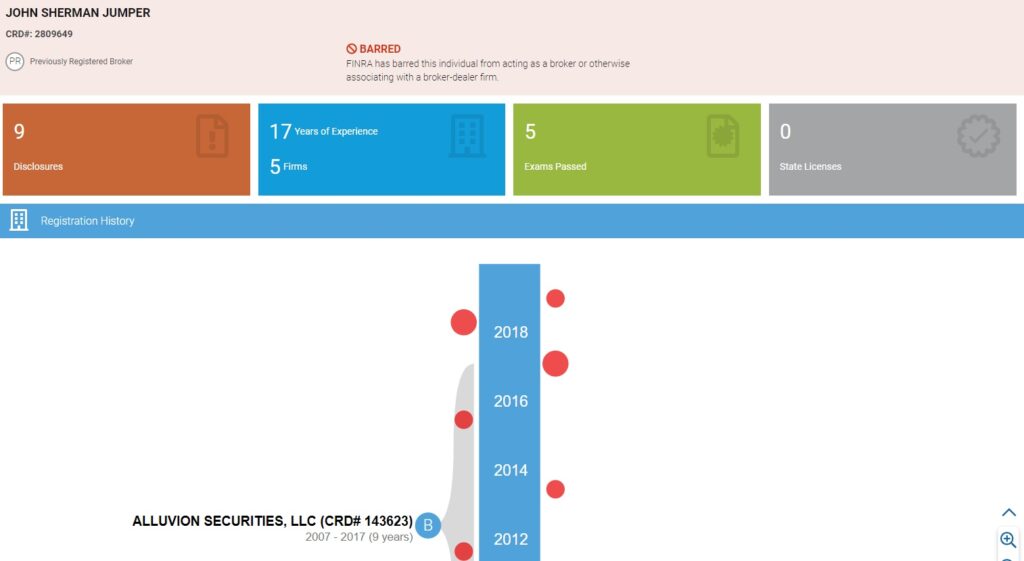
Cambridge Investment Research and its former representative, Michael Thompson, have recently come under scrutiny after regulatory action by the Financial Industry Regulatory Authority (FINRA) revealed a troubling pattern of unsuitable investment recommendations. These events highlight the potential ramifications when the relationship between an investor and their financial advisor is compromised, particularly for those most vulnerable to financial mismanagement: elderly clients.
What Happened at Cambridge Investment Research?
Michael Thompson, who practiced out of Cambridge Investment Research‘s Phoenix, Arizona branch, was sanctioned after FINRA found he recommended high-risk alternative investment products to clients primarily in their 70s and 80s—individuals who had made it clear they sought conservative, income-generating strategies. Between January 2021 and September 2022, approximately $2.3 million of client funds were directed into non-traded real estate investment trusts (REITs) and business development companies (BDCs). These products are notably complex, illiquid, and carry a much higher risk profile than traditional income investments.
The investigation revealed an alarming mismatch between client needs and the investments that Thompson recommended:
- One retired teacher with a $400,000 net worth saw nearly 35% of her retirement savings erode after being encouraged to devote 60% of her portfolio to these illiquid instruments.
- An 82-year-old widower, seeking steady income, experienced a $180,000 drop in his account after following recommendations that ultimately failed to protect his core objectives.
Rather than providing proper risk disclosures, Thompson allegedly described these alternatives as “conservative income-producing assets,” comparing them to bank CDs but “with better returns”—a misleading analogy that significantly understated both the risk and lack of liquidity inherent in such investments.

Advisor Compensation and Excessive Trading
Regulators further allege that Thompson prioritized products offering higher commissions, neglecting his clients’ preferences for capital preservation and reliable income. Moreover, there was evidence of excessive trading: frequent, unnecessary transactions that eroded account value and generated additional commissions for the advisor. The cost-to-equity ratios and turnover rates in several accounts far exceeded industry norms, especially given the clients’ stated conservative goals.
Equally concerning, Thompson’s failure to update client profiles in response to changes like health events or reduced income resulted in continued justifications for unsuitable investment choices. This lack of oversight is a violation of both the spirit and the letter of FINRA regulations.
Michael Thompson’s Background and Regulatory Warnings
Michael Thompson was associated with Cambridge Investment Research from 2018 until October 2022 (see FINRA BrokerCheck record). His professional history shows several past disclosures and a pattern of client complaints regarding unsuitable investment recommendations. Prior to joining Cambridge Investment Research, Thompson worked at various smaller firms where multiple clients accused him of misrepresentations and inappropriate investment advice. Between 2019 and 2022, five customer complaints resulted in settlements, though without admissions of wrongdoing.
| Year(s) | Event |
|---|---|
| 2019–2022 | Five client complaints, mainly regarding unsuitable investment advice. Most settled. |
| 2020 (Firm) | Cambridge Investment Research fined $250,000 for supervisory failures involving alternative investment sales. |
Cambridge Investment Research, founded in 1981, is headquartered in Fairfield, Iowa, and supervises approximately 3,000 representatives across the country. The firm’s independent contractor business model, while offering flexibility, can present challenges for ensuring adequate oversight—something this case has brought into sharp relief.
Understanding FINRA’s Suitability Rules
FINRA Rule 2111 lays out the basic duty of care for investment professionals: they must have a reasonable basis for believing that any recommendation is suitable for the particular customer, based on information about that customer. The rule breaks down into three core components:
- Reasonable Basis Suitability: Advisors must fully understand the risks, features, and potential rewards of a product before recommending it to any client.
- Customer-Specific Suitability: Recommendations must be tailored to the client’s specific investment objectives, risk tolerance, liquidity needs, age, and financial profile.
- Quantitative Suitability: The frequency and volume of transactions in clients’ accounts must align with their investment profiles and goals, and not be excessive.
As illustrated by this case, Thompson failed all three suitability tests. The recommended products were inappropriately high-risk for elderly, conservative investors. Disclosures were inadequate, and excessive transactions appeared designed to produce commissions rather than genuine client benefit. You can learn more about suitability standards and how to protect yourself from unsound investment advice in this Investopedia article.

Consequences, Sanctions, and Investor Takeaways
As a result of the violations, FINRA imposed a six-month suspension and a $50,000 fine on Thompson, along with a requirement for $125,000 in restitution to affected clients. While these sanctions offer some compensation to those harmed, the financial losses and stress experienced by many investors will be difficult to fully repair.
The spotlight has also shifted to Cambridge Investment Research itself, which may face additional repercussions under FINRA Rule 3110. This rule obligates all broker-dealer firms to maintain effective systems for supervising their representatives and their recommendations. The failures in oversight that permitted Thompson’s misconduct raise legitimate concerns about the adequacy of supervision at the firm level.
Lessons and Prevention: What Investors Should Do
Recent FINRA reports estimate American investors lose roughly $1.2 billion per year to unsuitable advice and other forms of advisor misconduct—a problem especially acute among seniors who may be more trusting or less able to spot red flags. In response, it’s crucial for all investors to stay informed and vigilant. Here are key steps every investor should take:
- Verify advisor credentials through FINRA’s BrokerCheck before and during any business relationship.
- Be skeptical of high-commission products, especially if they are labeled as “low risk” without supporting documentation.
- Request written explanations for any unfamiliar investment, particularly regarding risks and liquidity limitations.
- Closely review account statements and flag any transaction or product you don’t recognize.
- Report concerns immediately to FINRA and consider independent advice if you feel unsure.
If you suspect bad advice or misconduct, you have rights and resources for recourse. Exploring your options through FINRA arbitration or seeking further education at reputable sources like Financial Advisor Complaints can be a strong first step.
Recognizing the Signs of Unsuitable Investment Advice
According to the U.S. Securities and Exchange Commission, investment scams and unsuitable advice often follow a predictable pattern: misleading product descriptions, overstated guarantees of safety or returns, frequent trading, and unverifiable credentials. While most financial advisors are dedicated professionals, investors must balance trust with verification, ensuring accountability and transparency at every stage.
The latest events at Cambridge Investment Research with Michael Thompson underscore the costs of misplaced trust and insufficient supervision. While regulatory sanctions send a signal to the industry, the best safeguard remains active engagement and informed skepticism. If something feels off, do not hesitate to pursue a second opinion or consult the FINRA BrokerCheck database to review an advisor’s background.
As history and the facts show, investment losses are not always the result of unpredictable markets. More often than realized, inappropriate advice or lackluster supervision can play a decisive role. The case of Michael Thompson serves as both a cautionary tale and a call to action for investors and advisory firms alike to prioritize ethics, transparency, and diligent oversight.
SEO Optimization for “John Kurta”
This article thoroughly covers Michael Thompson and Cambridge Investment Research,
Correction or Updated Info Needed? The information in this article includes the publisher's opinion and is based on publicly available materials believed to be accurate at the time of publication.
We welcome updates. If you have personal knowledge of additional facts or details related to any issues or individuals, and you believe that information would enhance the accuracy of the article, don't hesitate to get in touch with us https://financialadvisorcomplaints.com/article-correction-update/ and provide you name, address, email, and telephone contact for follow-up reporting, along with the back-up for any updates. The publisher strives to provide the most up-to-date and most accurate report regarding all issues and events, and welcomes input from any individuals with personal knowledge.
DISCLAIMER: The information herein is derived from public sources and is provided "as is" without warranty of any kind. Legal matters may have subsequent developments, and market values may fluctuate. While we strive for accuracy, we make no representations about the completeness or reliability of this information. Readers should independently verify all content and seek professional advice as needed.